

The Box Camera Project
The world’s oldest instant camera.
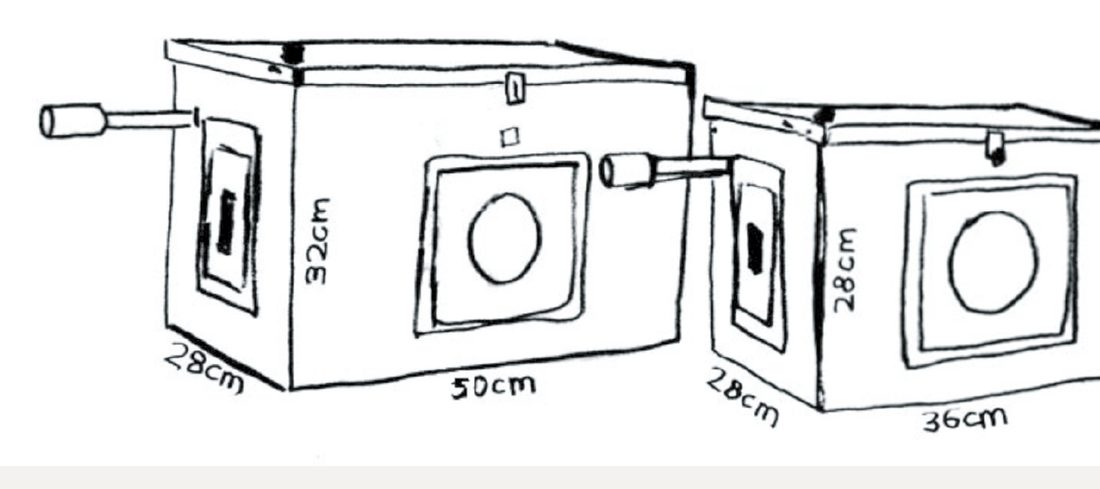
A purely mechanical device, built entirely by hand. It took us two months, every part jointed from wood — and with a process a century old, it exposes silver-gelatin paper into a portrait with a quiet kind of magic. It is at once a camera and its own darkroom. Its ancestor is the Afghan box camera, now all but vanished.
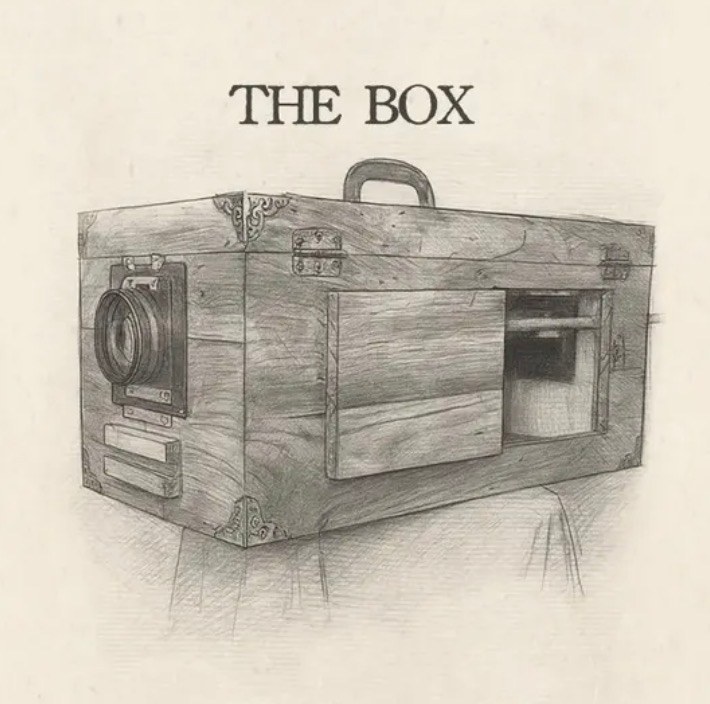
Where it comes from
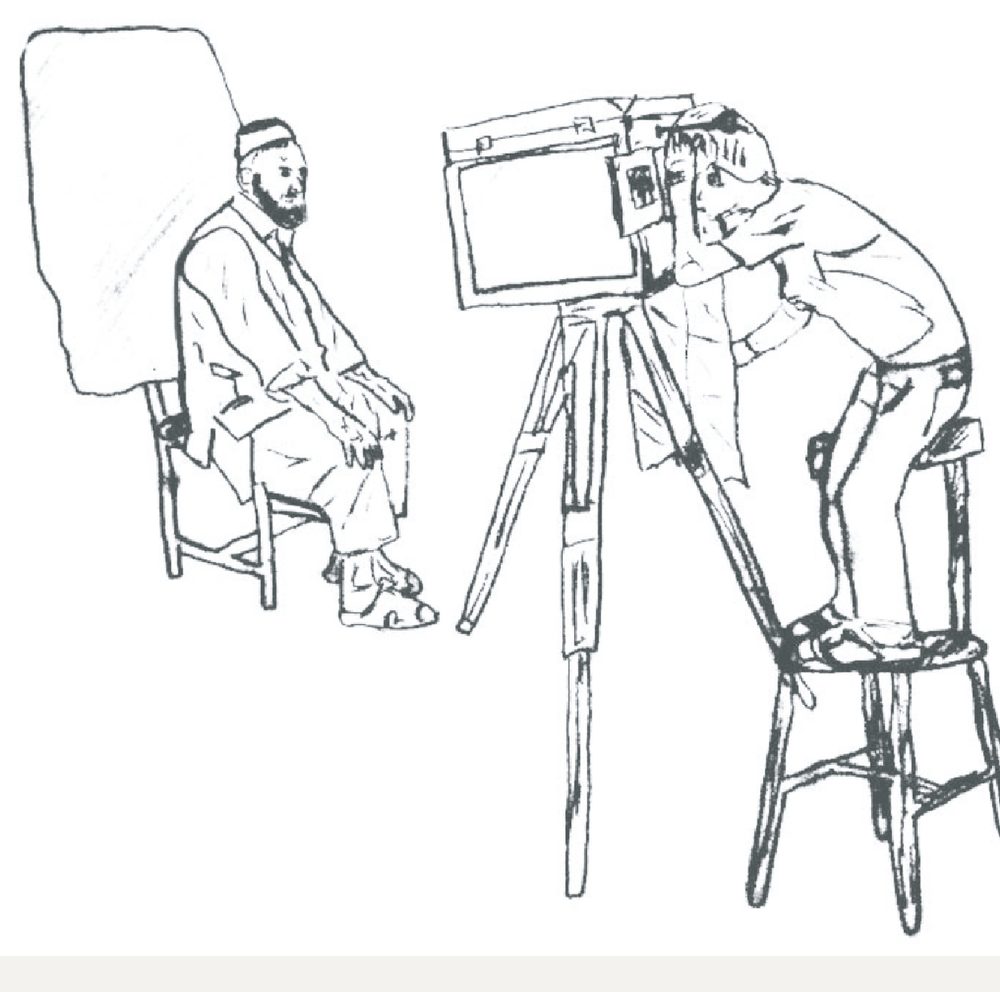
For generations, Afghans sat for their portraits in front of a box camera — the kamra-e-faoree, literally “instant camera”. The photographer worked from a stool, head under the cloth, developing each print inside the box itself.
The craft passed down like a language. Some learned it from a father or an uncle; others were taken on as apprentices — many starting so young they needed a chair to reach the lens.
A keeper of memory
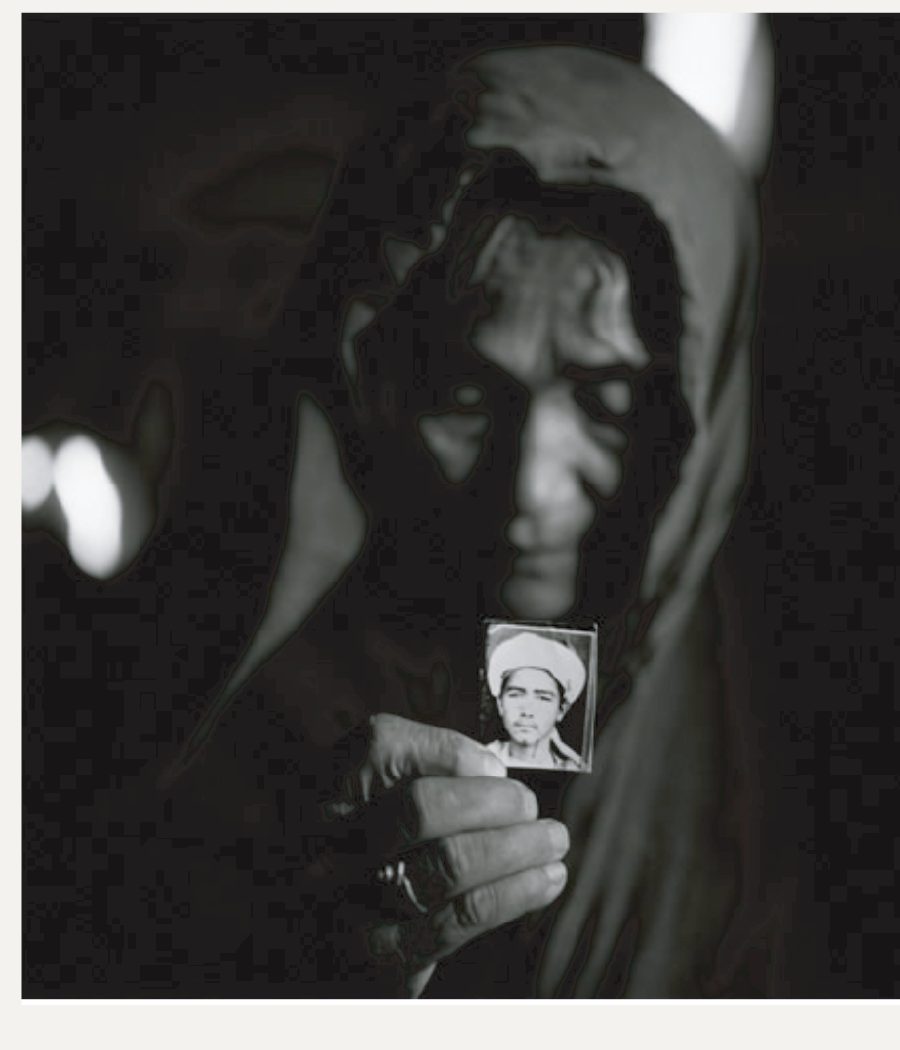
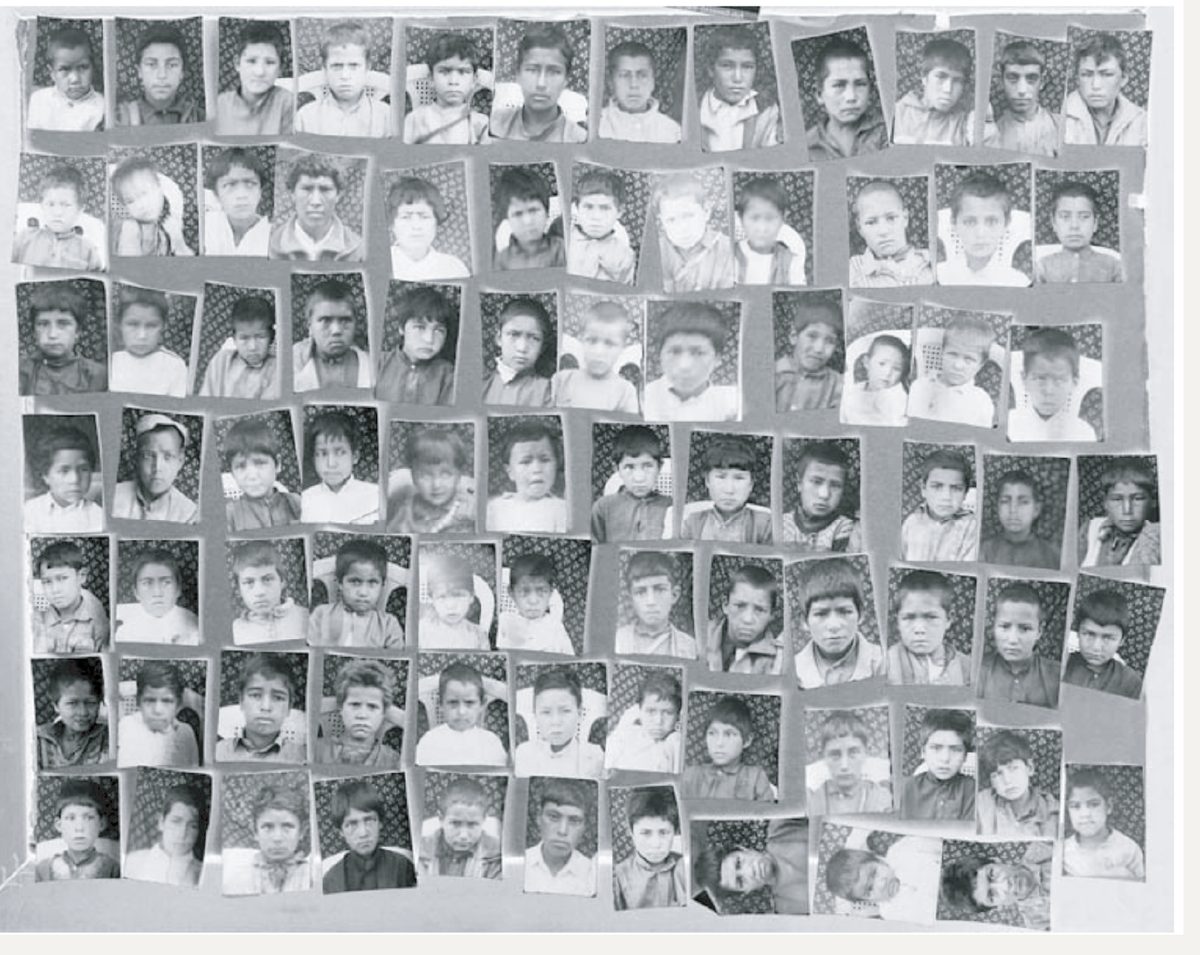
In Afghanistan the box camera did more than make pictures — it kept memory. Kurban Gul holds the only box-camera portrait of her son, Mullah Awar, killed in battle in 1986. He was eighteen.
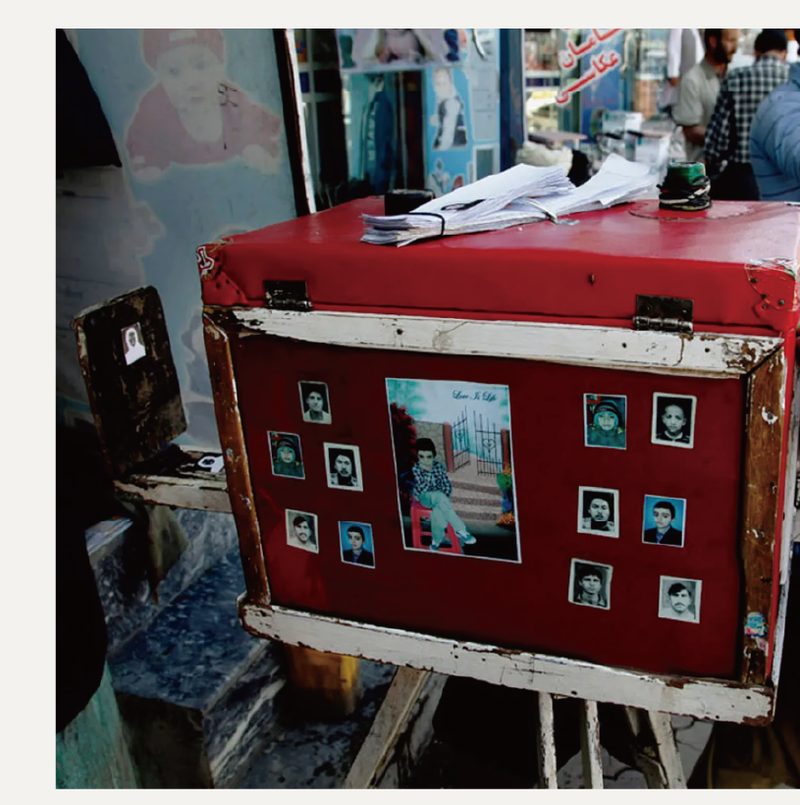
Its portraits filled the country’s paperwork too — identity booklets, a vehicle registration, a half-century-old property deed. After 2001, mandatory school IDs and the reopening of girls’ schools sent the photographers’ trade surging again.
How it works
No film, no shutter button, no screen. Just light, paper and chemistry — six steps, entirely by hand.
- 01FocusCompose and focus on the ground glass, under the dark cloth.
- 02MeterJudge the light by eye — the exposure is read, not metered.
- 03Load the paperSet a sheet of silver-gelatin paper at the back of the box.
- 04ExposeUncover the lens; the paper takes the image directly, as a negative.
- 05Develop & fixTrays live inside the box; the photographer works blind, by feel.
- 06WashRinse the print in a bucket of water — hence the local name, water photographs.
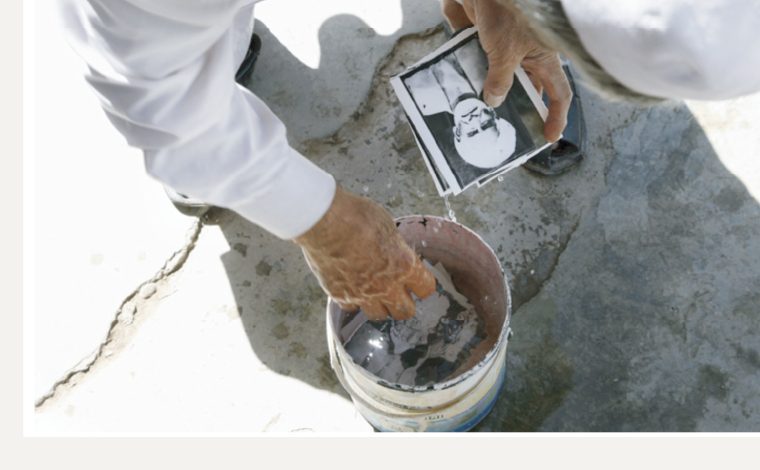
The negative is then re-photographed to make the positive — studio, darkroom and lab folded into one wooden box.
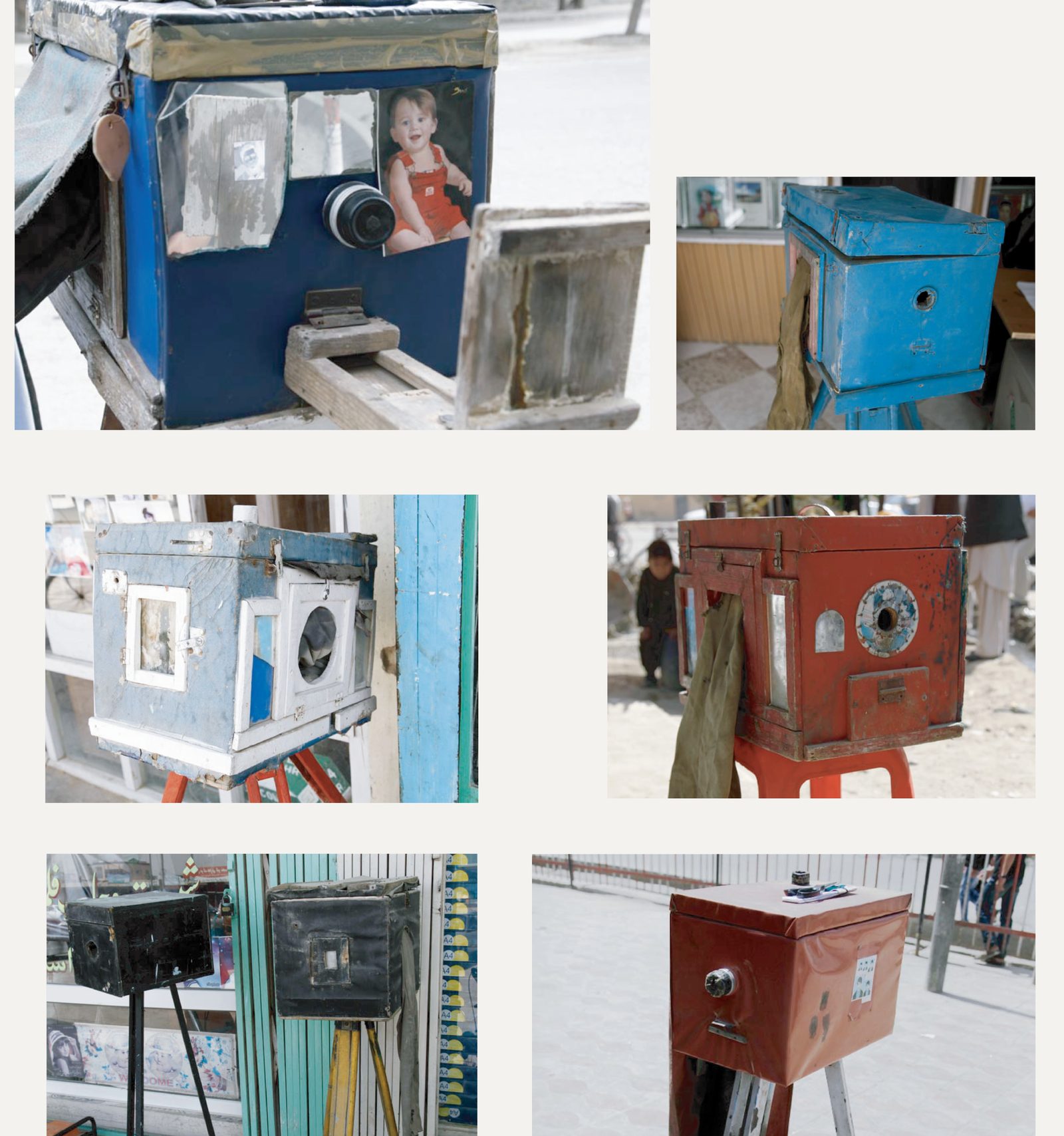
Every one, one of a kind
No two were ever alike — painted, patched and rebuilt over decades of daily use on the street.
A form that is vanishing
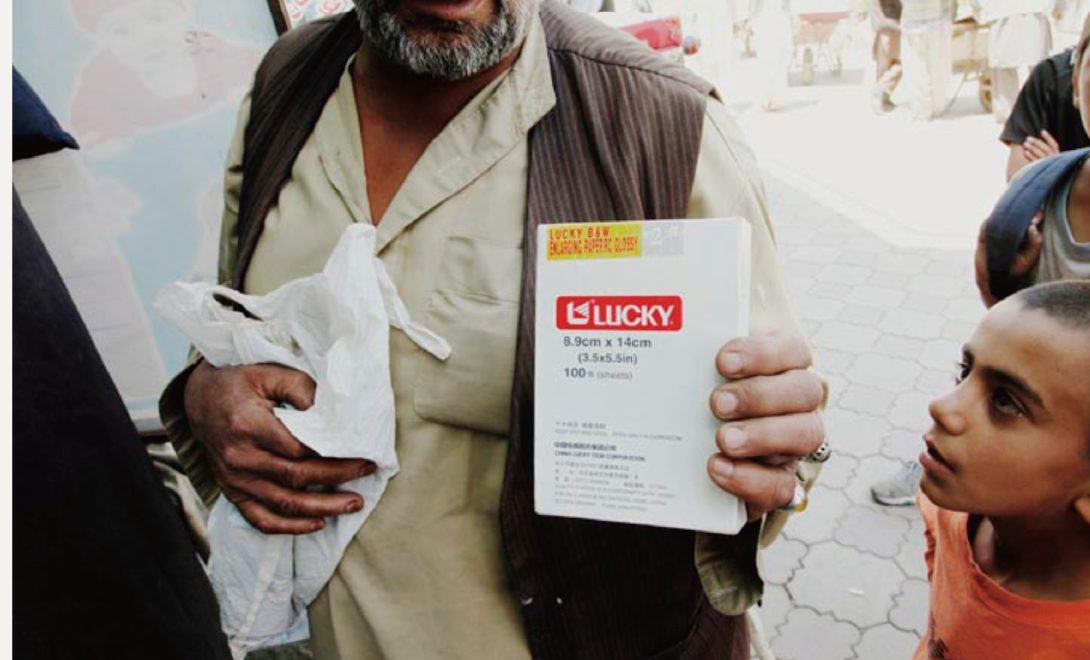
Digital ID machines replaced the box on the pavement, and the paper it needs has all but run out. In 2011 the Kabul photographer Rohullah was photographed with his last packs of Lucky paper, and said that once they were gone he would have to find other work. As one chronicler of the craft observed, for now it can still be spoken of as a living form of photography — perhaps for only a few more years.
Why we built one
Some ways of seeing are worth keeping alive.
We build cameras a living can be made with, and we keep the ones worth keeping. This one earns nothing and proves nothing. We made it because a way of seeing this careful, this human, shouldn’t disappear without someone setting it down again by hand.
Yours to keep. Yours to create.